



Difference Between SCB and SC Series Dry-Type Transformers
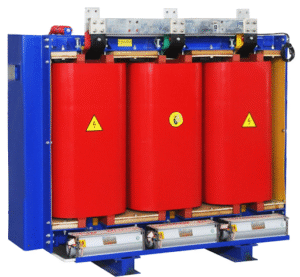
SCB and SC series transformers are both three-phase cast resin dry-type transformers, widely used in power distribution systems, industrial plants, and commercial buildings.Although they belong to the same category, there are significant differences in winding structure, temperature rise, loss performance, insulation strength, and short-circuit resistance. This article explains the key differences between SCB transformers and SC transformers in detail. 1. Difference in Winding Structure The biggest difference between SCB and SC series transformers lies in the low-voltage winding design. SCB Series – Copper Foil Winding SCB transformers use copper foil winding for the low-voltage coil. Features: Advantages: SC Series – Wire Wound Coil SC transformers use wire-wound cylindrical coils. Features: Compared with SCB: 2. Temperature Rise Difference The low-voltage winding is close to the core, so cooling performance is critical. SCB transformer advantages: Typical result: SCB temperature rise is about 5–7 K lower than SC. Benefits: 3. Load Loss Difference SCB transformers use oxygen-free copper foil, which has: Result: For the same rating and voltage level: SCB load loss is typically about 5% lower than SC. 4. Insulation Performance Difference SCB foil winding has: Advantages: This makes SCB transformers more suitable for: 5. Short-Circuit Withstand Capability SCB transformers perform better