



What is a single-pole transformer substation?
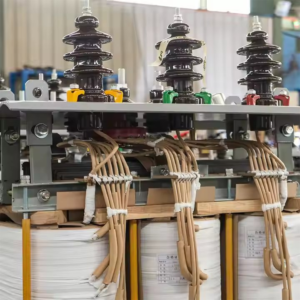
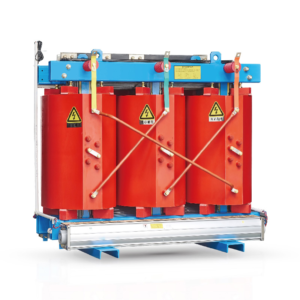
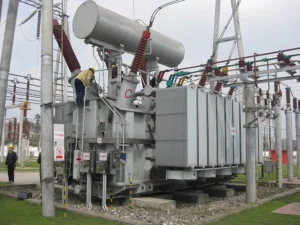
Table of Contents 1. What is a single-pole transformer substation? A single-pole transformer substation is a static electromagnetic device that operates on the principle of electromagnetic induction, capable of changing voltage while maintaining the frequency of the alternating current system. This new type of compact single-pole substation is a substation where the transformer is installed on a single pole made of centrifugal concrete or a single steel pole. 2.Applications of Single-Pole Transformer Substations Single-pole transformer substations are widely used in urban and rural power distribution, industrial facilities, commercial zones, construction sites, and renewable energy projects, offering a compact, reliable, and cost-effective solution. 3. Structure of a Single-Pole Transformer Substation: Pole: Made of centrifugal concrete or steel, supporting the entire substation. Transformer: Mounted on the pole, for voltage step-up or step-down. High Voltage Equipment: Includes disconnect switch, drop-out fuse, and lightning arrester for incoming line and protection. Low Voltage Equipment: Switches, distribution box, and terminals for power distribution. Earthing System: Ensures operational and personnel safety. Accessories: Lifting lugs, protective covers, nameplate, and optional metering devices. 4.Specifications of the single-pole transformer substation: Capacity: 25–400 kVA Voltage: HV up to 33 kV, LV 0.4 kV Frequency: 50 / 60 Hz Transformer: Oil-immersed (standard),