





YB Prefabricated Substation
Overview
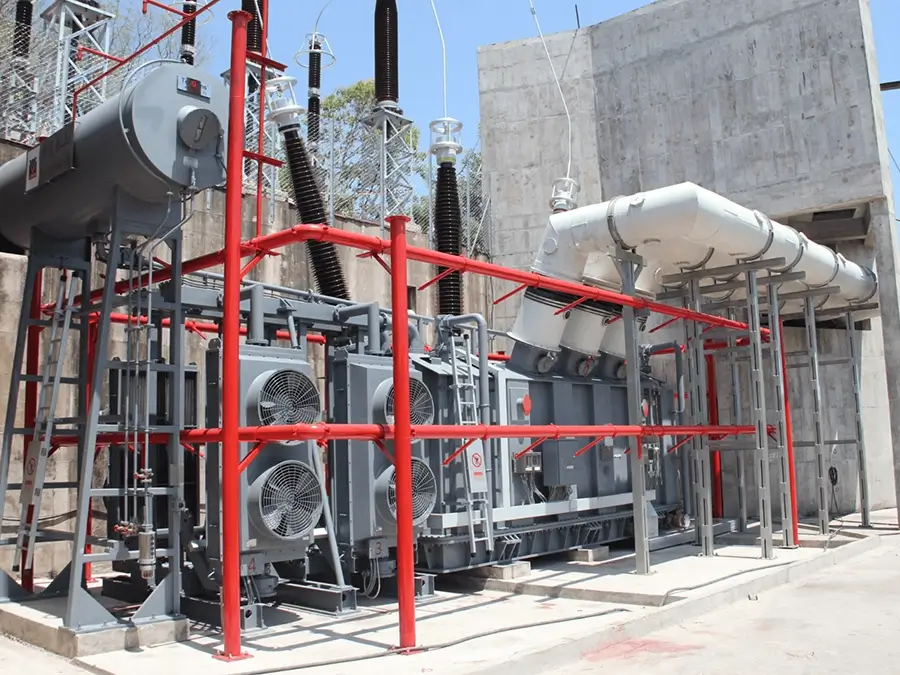
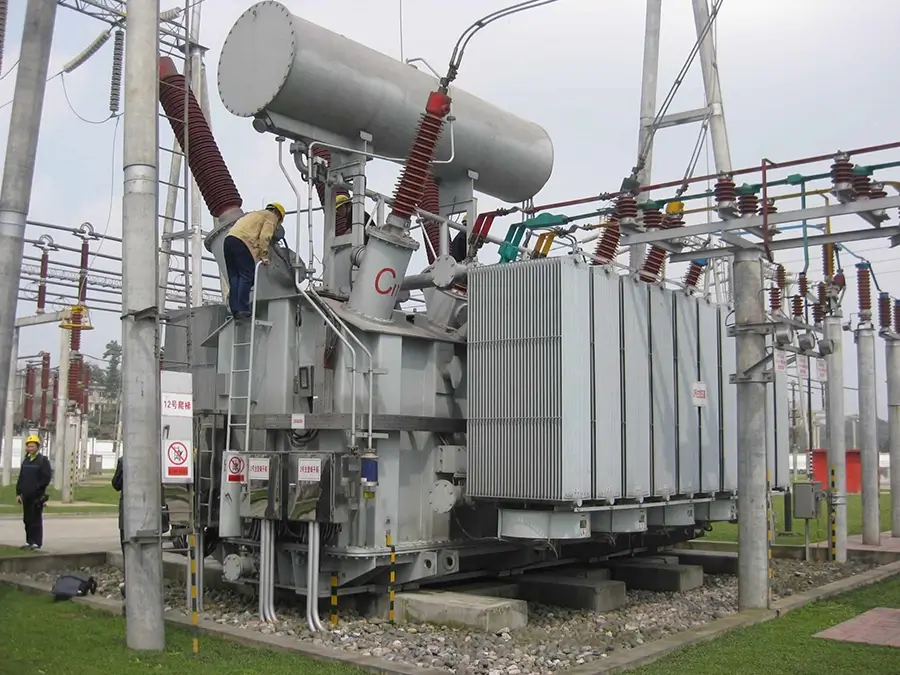
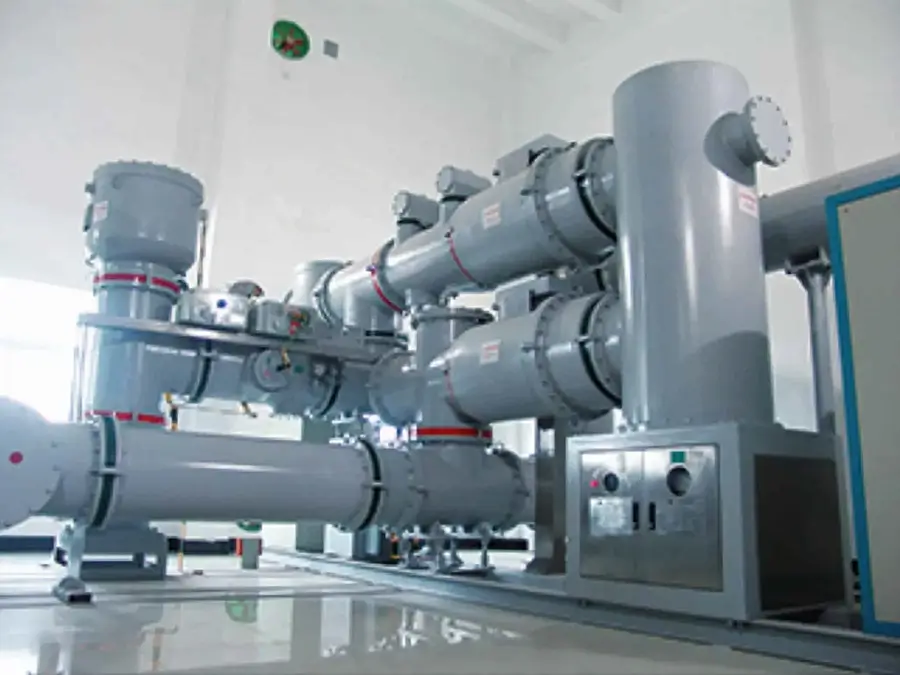
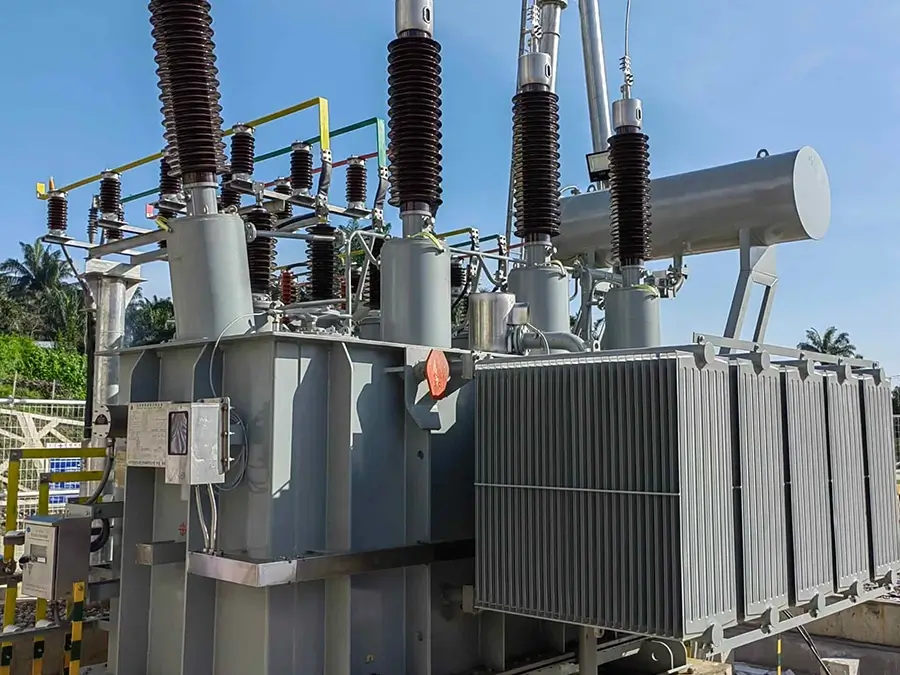
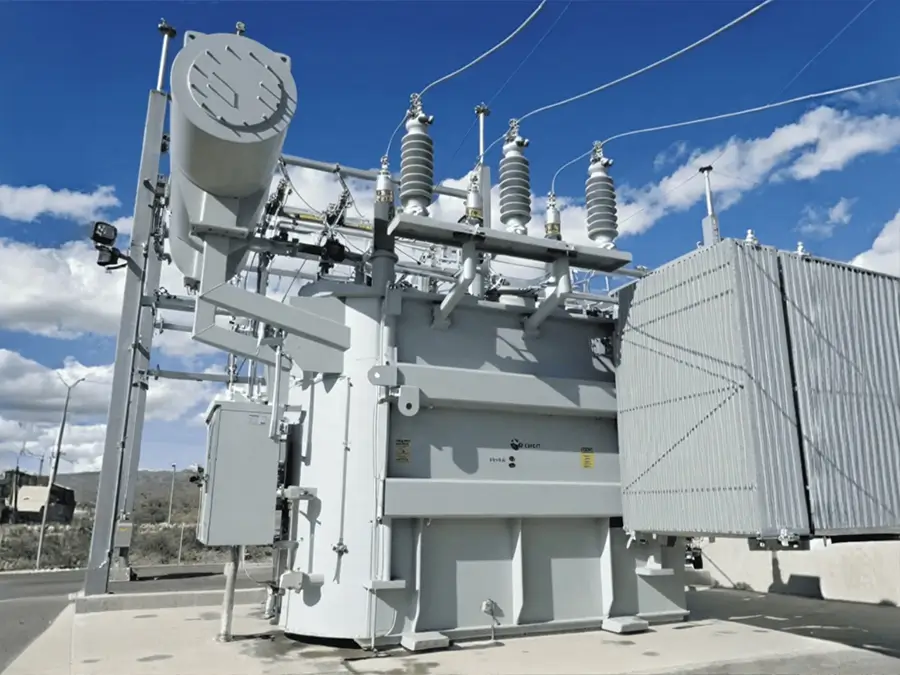
YB Prefabricated Substation, also known as a prefabricated or compact substation, is a fully enclosed, self-contained unit that integrates high-voltage switchgear, transformers, and low-voltage distribution equipment into a single, transportable structure. Designed for outdoor use, it provides a compact, space-saving solution for power distribution, especially in urban environments.
Brief Introduction
Ⅰ.Brief Intrucodtion
1.Customization: We offer highly customized YB Prefabricated Substation solutions. For example, compact designs can be customized for space-constrained urban areas; special electromagnetic shielding designs can be used in areas sensitive to electromagnetic interference.
2.Compliant Standards: Complies with multiple international standards, including IEEE, ANSI, NEMA, and GB.
3.Voltage Levels:
①High-voltage side voltage levels offer a variety of common voltage levels, including 6kV, 10kV, 20kV, and 35kV, suitable for power supply systems of varying sizes and types. Customization is also possible, such as 11kV, 15kV, and 24kV.
②Low-voltage side voltage levels are typically 0.4kV (380V/220V), suitable for directly supplying various low-voltage electrical equipment, such as lighting, air conditioning, and small power equipment. This voltage level meets the needs of common electrical equipment in residential and general industrial applications, ensuring safe and stable low-voltage power distribution. Customization is also possible.
4.Voltage Regulation Methods:
①Off-Excitation Voltage Regulation: Voltage regulation is achieved by installing several taps on the transformer windings. During a power outage, the number of turns on the windings is manually adjusted by adjusting the tap changers. This voltage regulation method offers a simple structure and low cost, making it suitable for applications with minimal load fluctuations and low requirements for voltage regulation accuracy, such as rural areas or locations with seasonal power consumption.
②On-Load Voltage Regulation: On-Load Voltage Regulation (OLVRT) utilizes an OLVRT to automatically or manually switch taps while the transformer is operating under load, achieving continuous voltage regulation. OLVRT quickly responds to load changes, adjusting output voltage promptly and maintaining voltage stability. It is suitable for applications with large load fluctuations and high voltage quality requirements, such as urban commercial centers and large factories, effectively ensuring the normal operation of sensitive electrical equipment.
5.High-voltage tap range: Typically ±5% or ±2×2.5%. For example, for a 10kV transformer with a tap range of ±5%, the high-voltage tap voltage can be adjusted between 9.5kV, 10kV, and 10.5kV.
6.Rated Capacity: Rated capacities range from 30kVA to 5500kVA, meeting the power needs of users of varying sizes.
7.Other Information: This prefabricated substation uses three-phase power supply. Common connection groups are Dyn11 and Yyn0. The former is suitable for non-linear load scenarios, while the latter is suitable for three-phase loads with essentially balanced loads. Impedance voltage ranges from 4% to 8% and can be customized based on system and load characteristics. Cooling methods include oil-immersed natural cooling, oil-immersed air cooling, and dry air cooling, respectively, to suit different loads and environmental conditions. Protection levels are generally IP33 and above, with higher levels available for specialized environments. Insulation grades include B (130°C), F (155°C), and H (180°C), which can be selected based on the operating environment and load conditions.
Ⅱ.Operating Conditions:
1.Altitude: No more than 1000 meters
2.Ambient Temperature: -25°C to +40°C
3.Relative Humidity: Daily average not exceeding 95%, monthly average not exceeding 90%
4.Maximum Monthly Average Temperature: +35°C
5.Maximum Annual Average Temperature: +20°C
6.Minimum Ambient Temperature: 25°C (outdoor)
7.Maximum Daily Temperature Difference: 25°C
8.Sunlight Intensity: 0.1W/cm² (0.5m/s)
9.Seismic Resistance: 0.2g horizontal ground acceleration; 0.1g vertical ground acceleration
10.Installation Location: Free from severe vibration, corrosive gases, explosive media, and heavy dust pollution
11.Applicable Areas: Widely applicable to urban power grid transformation, residential communities, industrial parks, commercial centers, municipal projects, and new energy projects (such as wind power and photovoltaic power generation).
Ⅲ.Test Types:
1.Type Tests: Insulation Withstand Voltage, Short-Circuit Withstand Voltage, Temperature Rise, IP Rating (IP), Mechanical Life, and Internal Arc Testing.
2.Routine Tests: Loop Resistance, Power Frequency Withstand Voltage, Mechanical Operation, and Transformer Parameter Testing.
3.Special tests: Noise, EMC, high and low temperature/salt spray, and other environmental tests.
Ⅳ.Component Testing:
1.Transformer: Insulating oil withstand voltage (oil-operated transformer), partial discharge (dry-type transformer), temperature rise.
2.High-voltage components: Fuse characteristics, lightning arrester residual voltage.
3.Low-voltage units: Circuit breaker breaking capacity, busbar contact resistance.
4.Enclosure: Dust and water resistance (IP), mechanical strength (wind and vibration resistance).
Ⅴ.Certification Types:
1.International: IEC 62271-202, IEEE C57.12.00.
2.US: UL 1561 (dry-type transformer), UL C57.12.00 (oil-operated transformer).
3.China: GB/T 17467 (national standard), CQC certification.
4.Other: CE (EU), AS/NZS (Australia and New Zealand).
Structural Features
Ⅰ.Product Features:
1.Compact Modular Design: Utilizing an integrated enclosure structure, the high-voltage switchgear, transformer, and low-voltage equipment are highly compact, occupying only 1/3-1/2 the floor space of a traditional substation, making it suitable for densely populated urban areas or space-constrained environments in North America.
2.Suitable for Extreme Environments: The enclosure undergoes special anti-corrosion treatment (such as galvanizing), is resistant to temperatures ranging from -40°C to +50°C, and is UV-resistant. With an IP65 protection rating, it can be used directly in harsh outdoor environments.
3.Compliant with North American Standards: Core components (such as transformers and circuit breakers) meet UL and CSA certification requirements, and electrical parameters (such as tap range and impedance voltage) are adapted to North American power grid characteristics.
Ⅱ. Product Advantages
1.Efficient Installation: Pre-installed and commissioned at the factory, only foundation installation and simple wiring are required on-site, reducing installation time to 1-2 days, significantly reducing the several weeks required for traditional substations.
2.High Safety Redundancy: The UL 1551-certified high-voltage switchgear offers strong short-circuit breaking capacity, while the transformer’s short-circuit-resistant design and explosion-proof enclosure structure reduce accident risks.
3.Easy Maintenance: Modular components enable quick replacement, and the sealed enclosure design reduces dust and moisture intrusion, reducing the frequency of routine maintenance.
Ⅲ. Product Benefits
1.Cost Savings: The compact design reduces land occupation costs, and rapid installation reduces labor and construction costs. The average annual maintenance cost is over 40% lower than traditional substations.
2.Improved Reliability: With adaptability to extreme environments and rigorous certification, the average annual downtime due to failures is limited to less than 4 hours, isolation time is reduced to less than 0.5 seconds, and power supply continuity meets industrial-grade requirements.
3.Shortened Construction Time: From order placement to commissioning, it takes only 4-6 weeks (compared to 3-6 months for traditional stations).
Ⅳ.Evidence
1.Certification and Testing: Certified by UL 1551, CSA, and IEC 62271-202, the system has been type-tested to verify short-circuit withstand capability, IP65 protection, and low-temperature stability at -40°C.
2.Application Cases: Data from North American industrial parks and renewable energy power plants shows a 60% increase in installation efficiency, a five-year failure rate of less than 2%, and a 50% improvement in land utilization. A power company’s 500 units have operated continuously for 10 years with zero major failures.
3.Measured Data: A third-party test report shows a short-circuit withstand capability of 25kA/3s and a noise level ≤55dB (at a distance of 1 meter).
Product structure
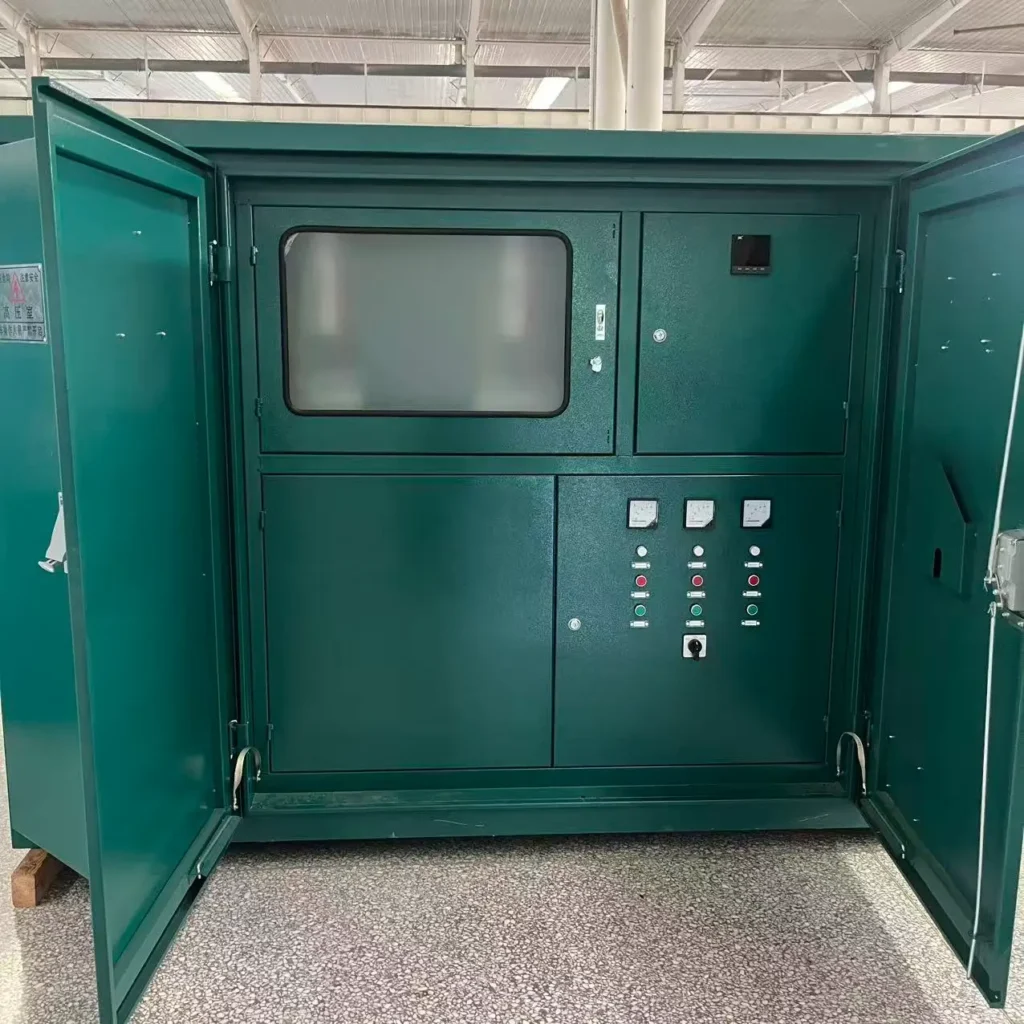
The American-style prefabricated substation (PFS) features a compact, modular, integrated design, with a sealed metal enclosure as its core.
Ⅰ.Overall Structural Design
1. Design Standards
①Standards:Complies with ANSI/IEEE C57.12.xx (transformers), NEMA 250 (enclosure protection), and UL 891 (switchgear) standards.
②Seismic Resistance: Meets IBC 2018 or user-specified regional seismic requirements.
③Protection Rating: IP43/IP54 (outdoor version) for the cabin, IP2X for the internal switchgear compartment.
2. Modular Composition
American-style prefabricated cabins are typically divided into three functional modules:
①High-voltage switchgear compartment (including ring main unit or circuit breaker)
②Transformer compartment (American-style box-type transformer or oil-immersed transformer)
③Low-voltage distribution compartment (including low-voltage switchgear and intelligent monitoring system)
Ⅱ.Core Structural Components
1. Cabin Structure
①Materials:
•Casing: Galvanized steel plate (ASTM A792) or 304 stainless steel, thickness ≥ 2mm, with anti-corrosion coating (ASTM D1654 salt spray test ≥ 500h).
•Frame: Hot-dip galvanized steel beams (ASTM A123), wind pressure resistance ≥ 1500Pa.
②Layout:
•Single cabin (integrated) or split cabin (module splicing), width ≤ 3m for easy road transport.
•The roof features a sloped design (slope ≥ 5°) to prevent water accumulation and is equipped with ventilation and heat dissipation grilles (optional dust screen).


2. Transformer Compartment
Independent compartment equipped with:
①Fireproof partitions (UL 94 V-0 flame retardant material).
②Temperature control system (forced air cooling + temperature sensor, alarm threshold ≤ 90°C).
③Oil pit (for oil-immersed transformers) or epoxy resin insulation (for dry-type transformers).
3. High and Low Voltage Equipment Layout
①High-voltage side: American-style elbow cable connector (IEEE 386) or SF6 insulated ring main unit.
②Low-voltage side: Frame circuit breaker (UL 1066) + smart meter (ANSI C12.1).
③Busbar system: Copper busbar (ASTM B187), insulation sheath (UL 746C).
Ⅲ. Special Structural Design
1. Safety Protection
①Collision Barriers: Steel collision barriers are installed around the cabin (impact energy ≥ 20J).
②Interlocking Mechanism: Mechanical interlocking between the high-voltage cabinet and the transformer compartment door prevents accidental operation while powered on.
2. Environmental Adaptability
①Ventilation Design:
•Natural ventilation (louvers + insect screens) or forced ventilation (IP55 fan).
•Humidity Control: Optional heater (maintains cabin humidity ≤ 60% RH).
②Noise Reduction Measures: Sound-absorbing foam is installed in the transformer compartment (noise ≤ 55dB@1m).
3. Intelligent Expansion
①Pre-installed IoT interface (supports IEC 61850 communication protocol).
②Cable Trench Reserve: Removable bottom cover facilitates future expansion.
IV. Transportation and Installation Structure
1.Lifting Points: Four lifting lugs are installed on the top (load-bearing capacity ≥ 1.5 times the cabin weight).
2.Foundation Requirements: Concrete platform (levelness ≤ 3mm/m), pre-buried anchor bolts (ASTM A307).
3.Splicing design: Modules are connected by flanges (sealing strips comply with ASTM D2000).
Specification
YB Prefabricated Substation
| Capacity (kVA) | A | B | C | D | E | F | H |
|---|---|---|---|---|---|---|---|
| 100-250 | 1900 | 1650 | 1250 | 650/800 | 600 | 1410/1560 | 1450 |
| 315 | 1900 | 1650 | 1350 | 650/800 | 650 | 1460/1610 | 1450 |
| 400-500 | 1900 | 1750 | 1450 | 650/800 | 650 | 1490/1640 | 1550 |
| 630 | 1900 | 1750 | 1550 | 650/800 | 700 | 1580/1730 | 1550 |
| 800 | 1900 | 1850 | 1550 | 650/800 | 700 | 1640/1790 | 1650 |
| 1000 | 1900 | 1850 | 1650 | 650/800 | 700 | 1640/1790 | 1650 |
FAQS
YB Prefabricated SubstationFQAS
When purchasing an YB Prefabricated Substation, you may want to know the following questions & answers.
Ⅰ.Basic Concepts
1. What is a YB Prefabricated Substation?
This modular outdoor substation integrates high-voltage switchgear, transformers, and low-voltage distribution systems within a prefabricated steel cabin. It complies with ANSI/IEEE/NEMA standards and is suitable for the North American market or projects requiring American standards.
2. How does it differ from European-style or traditional substations?
American-style features:
①It utilizes American-style elbow-type cable glands (IEEE 386) or SF6 ring main units, resulting in a compact structure.
②Transformers are typically oil-immersed (compliant with IEEE C57.12.00) with a high degree of protection (IP54).
③The cabin is primarily made of galvanized steel for corrosion resistance.
Comparison with European-style substations: European-style substations typically utilize air-insulated switchgear, with cabins often made of stainless steel.
Ⅱ. Technical Parameters
3. What are the standard voltage levels and capacity ranges?
①Voltage: 6-35kV (compliant with ANSI C84.1, with customization available).
②Capacity:
•Transformer: 30kVA~5500kVA (oil-immersed), dry-type available upon request.
•Short-circuit withstand: 25kA/1s on the high-voltage side (IEEE C37.20.2).
4. What are the protection levels and corrosion resistance?
①Cabin: IP43/IP54 (dust and splash proof), with optional coating compliant with ASTM B117 salt spray test for ≥1000 hours for corrosive environments.
②Internal equipment: Switchgear compartment IP2X (electric shock proof).
Ⅲ. Installation and Commissioning
5. What are the foundation requirements?
Concrete platform thickness ≥ 200mm, levelness ≤ 3mm/m, pre-buried anchor bolts (ASTM A307).
Cable trench (width ≥ 600mm) and grounding grid (grounding resistance ≤ 5Ω) must be reserved.
6. Is on-site splicing required? What are the transportation restrictions?
①Integrated: Single cabin length ≤ 12m (road transport restrictions).
②Compartmentalized: Flange connections between modules, bolted on-site (sealant strips are required for waterproofing).
Ⅳ.Operation, Maintenance, and Safety
7. What routine maintenance is required?
①Monthly: Check compartment sealing, vent blockage, and transformer oil level.
②Yearly: Infrared temperature measurement (busbar connection points), ground resistance test, and protective device calibration.
8. How to cope with high or low-temperature environments?
①High temperature: Optional forced air cooling system (temperature-controlled start and stop, threshold ≤ 90°C).
②Cold weather: Use a low-temperature transformer oil (-40°C) and an in-compartment heater (to prevent condensation).
Ⅴ.Selection and Customization
9. How to select a model based on project requirements?
①ndustrial: High short-circuit capacity design (25kA or more) + intelligent monitoring (IEC 61850).
②Residential: Noise reduction design (≤ 55dB) + compact layout.
10. Does the system support renewable energy integration?
PV/wind power interface integration is possible, but requires additional configuration:
Grid-connected protection device (IEEE 1547).
Bidirectional electricity meter (ANSI C12.20).
Ⅵ.Common Troubleshooting
11. What should I do if the transformer overheats?
Check whether the fan is started, the oil level is normal, and whether the load exceeds the limit (must comply with IEEE C57.91 load guidelines).
12. The high-voltage switchgear cannot be closed?
Priority checks:
①Has the mechanical interlock been reset (a common interlock design for American ring main units)?
②Has the cable connector been properly plugged in (an elbow connector should click to confirm).
Ⅶ.Other Questions
13. What is the warranty period? What is the after-sales service like?
Standard warranty is 12 months (transformer warranty may be extended according to the contract), with 24/7 technical support.
14. Are there any case studies?
Typical applications: North American industrial parks, data centers, and photovoltaic power plants (project photos or videos are welcome). Note: The above answers are based on general designs. Specific details should be based on the equipment’s technical documentation. For further information, please contact our engineering team.
Why Choose us ?
Built to last, engineered to perform.
Kete Transformer is a key national-level manufacturer specializing in transformers, recognized as a “Contract-Honoring and Promise-Keeping” enterprise, a high-tech enterprise, and a national-level enterprise technology center. It is recommended in the national directory for rural and urban power grid construction and renovation, as well as a recommended supplier of major electromechanical equipment for hydropower projects. Its products have been awarded the title of “National Quality Inspection Qualified Product – Quality Trustworthy Product” and “Nationally Recognized Product for Mechanical Industry Users.
Our Project
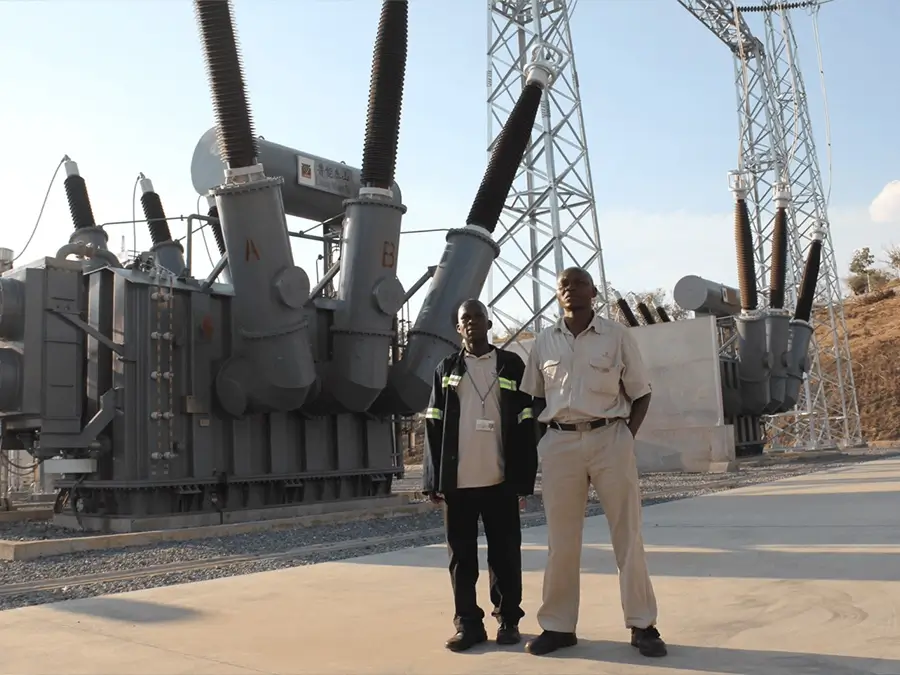
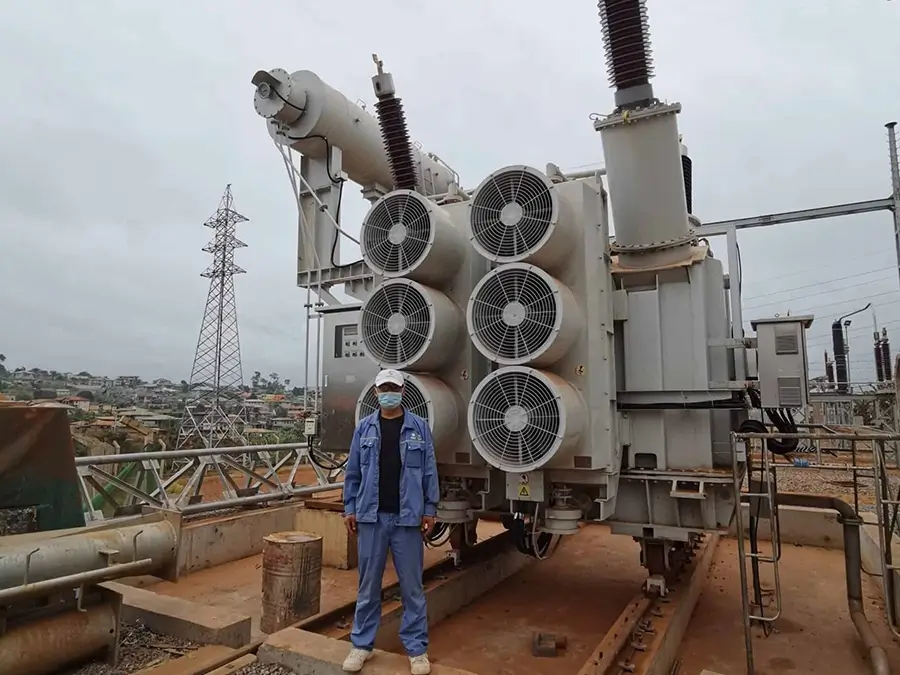
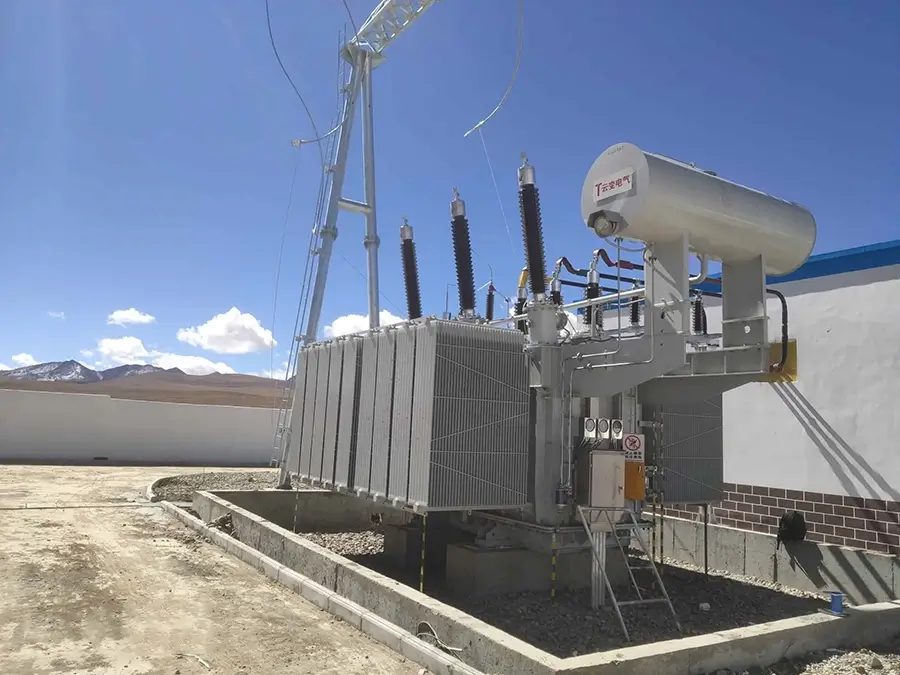
Our products not only dominate the domestic market but are also exported to more than 30 countries and regions, including Russia, Southeast Asia, Africa, and the Americas, serving industries such as power, municipal engineering, metallurgy, and petrochemicals.