





Cell Site Signal Transmission Triangle Steel Pole Guyed Communication Tower
Overview
Angle steel towers are steel structures primarily built with angle steel as their primary load-bearing components. They offer structural stability, strong load-bearing capacity, and easy installation. They are widely used in power transmission lines, communication base stations, broadcast and television transmission, and lightning protection projects. Their basic structure consists of main steel columns, transverse and diagonal angle steel tie bars, and crossbars.
Product Introduction
Ⅰ. Angle steel towers are steel structures that use angle steel as their primary load-bearing components. They offer structural stability, strong load-bearing capacity, and easy installation. They are widely used in power transmission lines, communication base stations, broadcast and television transmission, and lightning protection projects.Their basic structure consists of main steel columns (usually equal-leg angle steel or unequal-leg angle steel), transverse and diagonal angle steel tie bars/crossbars, connected by bolts or welding to form a spatial truss structure. The base is typically square or triangular in cross-section, and the overall structure tapers upward in a tapered or stepped shape to balance stability and material efficiency.Angle steel towers can be flexibly designed in height, cross-sectional dimensions, and angle steel specifications based on load requirements (such as wind load, icing, and equipment weight) and the application scenario. The main material is typically hot-dip galvanized, providing excellent corrosion resistance and adaptability to complex outdoor environments.
II. Its basic structure consists of main steel columns (typically equal-leg angle steel or unequal-leg angle steel), transverse and diagonal angle steel ties/crossbars, connected by bolts or welding to form a spatial truss structure. The base is typically square or triangular in cross-section, and the overall structure tapers upward in a tapered or stepped pattern to balance stability and material efficiency. The height, cross-sectional dimensions, and angle steel specifications of the angle steel tower can be flexibly designed based on load requirements (such as wind load, icing, and equipment weight) and the application scenario. The main material is often hot-dip galvanized, providing excellent corrosion resistance and adaptability to complex outdoor environments.
III. Product Introduction
1. Structural Components: Primarily composed of the tower body, crossarms, diagonal members, and foundation. The tower body is the main structure, constructed from multiple sections of angle steel connected by bolts; crossarms are used to secure transmission lines; and diagonal members enhance the tower body’s stability and load-bearing capacity.
2. Implementation Standards: GB/T 2694-2010 DL/T 5442-2012
3. Basic Structure
Tower body: The main structure of the angle steel tower, constructed from multiple sections of angle steel connected by bolts. Typically, the structure is square or triangular, offering high overall rigidity and load-bearing capacity.
4. Crossarms: Used to secure transmission lines such as wires, cables, and optical fibers, ensuring stable and secure transmission.
5. Diagonal members: Enhance the tower body’s stability and load-bearing capacity, enabling the angle steel tower to better withstand various loads.
6. Foundation: Depending on the geological conditions, independent foundations, strip foundations, pile cap foundations, and other methods can be used to secure the angle steel tower to the ground and withstand the weight of the tower and various external forces.
Protection Level: The thickness of the galvanized coating must comply with the requirements of DL/T 764.4-2001.
IV Wind Resistance Level
1. According to GB 50009-2012 Code for Loads on Building Structures and GB 50135-2019 Code for Design of Tall Structures, the design must be based on the base wind pressure at the installation site (e.g., 0.3-0.8 kPa; in coastal areas, it can reach over 1.0 kPa). This ensures that the tower will not overturn or suffer structural damage in strong winds (e.g., typhoons of force 10 or above).
2. Earthquake Resistance
In accordance with the “GB 50011-2010 Code for Seismic Design of Buildings,” based on seismic intensity zoning (e.g., 6-9 degrees), structural stiffness optimization and joint reinforcement design are implemented to ensure the integrity of the tower structure under seismic loads.
3. Snow and Ice Load Protection
In cold regions, snow loads (e.g., 0.2-0.7 kPa) and ice loads must be considered. Crossarm spacing and tower slope design are optimized to prevent overloads caused by snow and ice accumulation.
Product Features
I. Core Features
1. Flexible Structural Form
Angle steel towers are primarily constructed of angle steel. They can be designed with triangular or quadrilateral cross-sections, depending on height and load requirements (such as wind resistance, ice resistance, and load-bearing capacity). The tower can also be segmented to accommodate installation in complex terrain (such as mountains and hills).
2. Stable Load-Bearing Performance
Angle steel, as a steel structure, possesses strong compressive, tensile, and shear resistance. The tower is connected through nodes to form a spatial truss structure, which evenly transfers loads (such as deadweight, wind, ice, and snow) to the foundation, ensuring high overall stability.
3. High Material Utilization
Angle steel’s cross-sectional shape is suitable for bearing axial forces and bending moments. Different specifications of angle steel can be selected during design based on the load requirements of different locations, reducing material waste and making it lighter than structures such as concrete towers.
4. High Demountability
Most angle steel towers are bolted together rather than welded, making them easier to transport, install, and maintain. For relocation or renovation, they can be disassembled and reassembled, reducing secondary construction costs.
5. Structural Characteristics: Stable and Efficient Lattice Design
The mechanical advantages of triangular units, the flexibility of modular assembly, and the economical stratification of load bearing.
6. Material Characteristics: Excellent mechanical properties and strong load-bearing capacity.
7. Application Characteristics: High strength, good plasticity and toughness, and uniform mechanical properties facilitate functional expansion in various terrains and environments.
8. Engineering Characteristics: Convenient construction and maintenance, light weight, and easy transportation and installation.
II. Main Advantages
1. Adaptability to Complex Environments
Angle steel towers are mostly made of carbon steel or galvanized steel. After anti-corrosion treatment (such as galvanizing and painting), they are highly weather-resistant and can withstand long-term use in harsh environments such as high temperature, high humidity, coastal areas (salt spray), and deserts, with a service life of over 30 years.
2. Convenient and Efficient Construction
Components are prefabricated in factories with high precision. On-site installation does not require large lifting equipment (for small and medium-sized towers). The assembly process is simple and the construction period is short, making them suitable for projects in remote areas or with limited space.
3. Cost Controllability
Compared to steel pipe towers and concrete towers, angle steel material costs are lower, and transportation and installation costs are reduced. This makes it particularly economical for medium-to-low height towers (under 50 meters).
4. Low Maintenance
The open structure, with exposed components, facilitates inspection for problems such as corrosion and loose bolts. Maintenance requires targeted replacement of damaged components, eliminating the need for extensive disassembly.
Product structure
Detailed Explanation of Angle Steel Tower StructureAn angle steel tower is a lattice steel structure constructed with equal-leg angle steel and unequal-leg angle steel as core load-bearing components, connected by bolts. It is widely used in high-voltage and ultra-high-voltage transmission lines, communication base stations, and meteorological monitoring. Its structural design must balance mechanical stability, load adaptability, and terrain compatibility. The tower can be disassembled into three modules: the core load-bearing system, auxiliary function system, and connection and fixing system. The structural form, function, and design logic of the sub-components within each module are as follows:
I. Core Load-Bearing System: The Main Framework for Load Transfer
The core load-bearing system is the core of the angle steel tower’s ability to withstand external loads (such as conductor tension, wind loads, icing loads, and seismic loads). It determines the tower’s overall stability and primarily consists of the tower head, tower body, and tower legs. These three components are rigidly connected by bolts, forming a top-down load transfer path (conductor/ground wire loads → tower head → tower body → tower legs → foundation → ground).
1. Tower Head: Top Functional Load-Bearing Area
The tower head is the key area at the top of the angle steel tower for installing conductors, ground wires, and insulation devices. Its structural form must meet the line design requirements for “number of conductor splits, phase spacing, and insulation clearance.” Common types include wine glass, cat head, stem, and ram’s horn. While different types of tower heads differ in their member arrangements, their core components remain the same:
① Tower Head Sub-Components: Ground Wire Bracket
② Conductor Crossarm
③ Angled Arm
④ Tower Head Main Material
2. Tower Body: The Main Body for Transmitting Vertical Loads
The tower body is the intermediate section connecting the tower head and tower legs, accounting for 60%-80% of the total tower height and serving as the “trunk” of the angle steel tower. Its structural design must balance lightweighting with high strength. It typically utilizes square or rectangular lattice trusses, with cross-sectional dimensions decreasing in a stepwise fashion from bottom to top (each section is 3-6 meters high, with a cross-sectional reduction ratio of ≤15%). The specific structure is as follows:
① Main Tower Member
② Web Members
③ Diaphragms
3. Tower Legs: The Transitional Load-Bearing Section Connecting to the Foundation
The tower legs are the critical connection between the angle steel tower and the foundation. They must transfer all loads (vertical, horizontal, and bending moments) from the tower to the foundation. While also adapting to complex terrains such as mountains, hills, and river valleys, the structural design is characterized by terrain adaptability:
① Main Tower Leg Member
② Diagonal Leg Bracing
③ Foundation Connection Section
II. Auxiliary Function Systems: Structures Ensuring Safety and Operation and Maintenance
Although the auxiliary function systems do not directly bear the primary load, they are crucial to the safe operation, construction, and maintenance of the tower. They primarily include the following components:
1. Climbing System
Ladder: Located along the inner side of the tower’s main members, it consists of a ladder beam (∠50×5 steel angles) and a tread (φ16 steel rounds, spaced 300mm apart). The ladder beam is bolted to the tower’s main members. A resting platform (a rectangular frame composed of ∠63×5 steel angles covered with patterned steel plates) is located every 10 meters. A 1.2m-high guardrail (φ20 steel rounds) surrounds the platform.
Fall Arrest Device: A fall arrest rail (φ32 steel rounds) is located parallel to one side of the ladder and fixed to the tower’s transverse diaphragm. Construction workers wear fall arresters that slide along the rails to prevent falls. The rail joints must be smooth to prevent binding.
2. Lightning Protection Grounding System
Down-conductor: Use ∠50×5mm angle steel or φ16mm round steel. Install it vertically along the outside of the tower’s main structure, connecting the upper end to the grounding support and the lower end to the foundation grounding grid. Secure the down-conductor to the tower with clamps every 2 meters to prevent wear caused by wind vibration.
Tower Grounding Node: Weld a “grounding terminal plate” (100×80×10mm steel plate, Q235B) to the tower’s main structure. Four bolt holes are provided on the terminal plate for connecting to the horizontal grounding electrode (φ12mm round steel or 40×4mm flat steel) of the grounding grid. The terminal plate must be hot-dip galvanized to prevent corrosion.
3. Corrosion-Resistant Structure
Material Corrosion Protection: All angle steel, gusset plates, and bolts are hot-dip galvanized (zinc coating thickness ≥ 85μm), ensuring an outdoor service life of over 30 years. In coastal areas or areas with salt spray, an additional coating of fluorocarbon paint (60-80μm thick) is required to enhance salt spray corrosion resistance.
Drainage Structure: Drain holes (φ10mm) must be provided in the tower gusset plates to prevent rainwater from accumulating at the gussets and causing bolt corrosion. The lower chord angle steel of the tower head crossarm must be sloped (1:100) to prevent water from seeping into the insulator strings.
III. Connection and Fixing System: Key to Ensuring Structural Integrity
All components of the angle steel tower are assembled using bolted connections. The reliability of the connection system directly determines the overall stability of the tower. It primarily includes the following core components:
1. Connection Bolts
Type and Specifications: Use “coarse hexagonal head bolts” (GB/T 1228), made of Q235B or Q355B, with a strength grade of 8.8 (high-strength bolts). Bolt specifications are determined by the loads on the members: M24-M30 bolts are used for the main members of the tower, and M16-M20 bolts are used for the web members. Each joint should have at least four bolts (at least six for tension joints).
Installation Requirements: Bolts must be secured with a double nut (after tightening the upper nut, unscrew the lower nut 1/4 turn before tightening). The bolts must have at least two exposed threads. The bolt hole diameter should be 1-2 mm larger than the bolt diameter (e.g., an M24 bolt with a φ25.5 mm hole) to avoid installation stress.
2. Gusset Plate
Structural Form: Use rectangular or trapezoidal steel plates (Q355B material, 10-25mm thick). Bolt holes should be provided according to the number and angle of the connecting members. Gusset plate edges should be rounded (radius ≥ 10mm) to avoid stress concentration. Gusset plates where multiple members intersect (such as the tower body and tower head) should use a thickened type (3-5mm thicker than standard gusset plates).
Force Logic: Gusset plates act as the “intermediary” for load transfer and must simultaneously withstand the tension, compression, and shear forces of multiple members. Therefore, their dimensions must be determined through “node strength verification”—ensuring that the bolt hole spacing and plate edge distance meet the requirements for preventing shear and extrusion failure (e.g., the distance between the center of the bolt hole and the plate edge should be ≥ 1.5 bolt diameters).
Specification
FAQS
1. What is an Angle Steel Tower?
Ⅰ. An angle steel tower is a spatial truss structure constructed with equal or unequal angle steel as the primary load-bearing components, connected by bolts or welds. It typically has a square, triangular, or polygonal cross-section and is primarily used to carry loads such as conductors, communication antennas, and equipment platforms.
The following are the core differences between angle steel towers and other common tower types:
1. Angle Steel Tower
①. Core Components of Angle Steel Towers, Structural Form, Application Scenarios, Advantages, and Disadvantages:
Angle Steel (L-shaped cross-section). Spatial Truss (Multi-legged Distributed Load). Transmission Lines (110kV-500kV), Communication Base Stations (Medium to High Loads). Simple Fabrication, Low Cost, and Easy Maintenance. However, it has high wind resistance and is relatively bulky.
②. Core Components of Steel Tubular Towers, Structural Form, Application Scenarios, Advantages, and Disadvantages:
Seamless Steel Tubular/Welded Steel Tubular (Circular Cross-section). Spatial Truss/Rigid Frame (Concentrated Load). Ultra-high voltage transmission lines (750kV and above) and large-span spanning towers. They offer low wind loads, improved force resistance, and large spans. However, they are difficult to manufacture and expensive.
2. What are the main applications for angle steel towers? What are the specific requirements for angle steel towers in different fields?
Ⅱ. Angle steel towers are used in a variety of industries, including power, communications, transportation, and broadcasting. The core requirements vary significantly across these sectors:
1. Power Transmission:
Primarily used for 110kV-500kV transmission lines, they must withstand the weight of the conductors, icing, wind loads (especially strong winds in coastal and mountainous areas), and line tension. They require strong fatigue resistance and weather resistance (e.g., resistance to low-temperature brittle fracture in cold regions and resistance to salt spray corrosion in coastal areas).
2. Telecommunications Base Stations:
They carry equipment such as antennas and RRUs (Remote Radio Units). They must ensure multi-directional load balancing (antennas are arranged in multiple locations), and the towers must have ladders and platforms for easy equipment installation and maintenance. Some urban base stations also require “landscape” features (e.g., disguised as streetlights or trees).
3. Transportation:
Monitoring towers and signal towers used on highways and railways must adapt to complex roadside terrain (such as slopes and soft soil foundations). They require strong foundation resistance to overturning, and the towers must avoid obstructing drivers’ vision.
4. Broadcasting and Television:
Radio and television transmission towers must support heavy equipment such as transmitting antennas and signal receivers, and require extremely high vertical accuracy (typically ≤ 1‰) to prevent signal transmission from being affected by structural deviation.
3. What do the "height above ground" and "base spacing" of angle steel towers mean? How do they affect their use?
Ⅲ. These two are core geometric parameters of angle steel towers, directly determining their structural stability and applicable scenarios:
1.Height above ground: This refers to the vertical distance from the top of the tower base to the first major load-bearing point on the tower (e.g., the conductor attachment point on a transmission tower or the antenna mounting level on a communication tower).
2. Impact: Height above ground should be designed based on actual needs—for example, transmission lines need to avoid trees and buildings (to maintain a “safety distance”), and communication base stations need to increase their height based on coverage (typically 20-30m in cities and 30-50m in suburban areas). The greater the height, the greater the bending moment on the tower, necessitating thicker angle steel or larger cross-sectional dimensions to ensure strength.
3. Base spacing: This refers to the horizontal distance between the centers of two adjacent foundations at the base of the tower (e.g., the “diagonal base spacing” and “side base spacing” of a square tower).
4. Impact: The larger the root opening, the stronger the tower’s ability to resist overturning (similar to “a tripod stands more steadily”), but it will increase the foundation footprint and construction costs; generally, the root opening is designed to be larger in mountainous areas and strong wind areas, while the root opening needs to be reduced (with a deeper foundation) in narrow urban areas.
4. What loads should be considered in the design of angle steel towers? How do different loads affect the structural design?
1. Angle steel tower designs must comply with the “Standard for the Design of Tall Structures” (GB 51028-2015) and other regulations. Key considerations include permanent loads, variable loads, and accidental loads. The specific impacts are as follows:
① Permanent loads (dead loads): Long-term fixed loads, including the tower’s own weight (angle steel, bolts, and platform weight), equipment loads (conductors, antennas, and insulators), and ice and snow loads (the weight of ice adhering to the tower/conductors, calculated based on the local maximum ice thickness).
② Impacts: Dead loads are the “foundation load” of structural design and directly determine the minimum cross-sectional dimensions of angle steel. For areas with severe ice cover (such as mountainous areas in Northeast and Southwest China), thicker angle steel should be used (e.g., upgrading from L63×6 to L75×8) to prevent deformation of the tower due to long-term heavy loads.
③ Variable loads (live loads): Loads acting short-term or periodically, including wind loads (the most critical, calculated based on the local maximum wind speed of 50 years), temperature loads (temperature differences between day and night/seasons cause thermal expansion and contraction of the tower, generating additional stress), and maintenance loads (the weight of workers and tools, typically calculated as 2-3 people x 80 kg/person).
④ Impact: Wind loads are the “control loads” in angle steel tower design—the higher the wind speed, the greater the thrust (downwind) and torque (acrosswind) on the tower. These loads must be mitigated by optimizing the tower cross-section (e.g., reducing the windward area) and increasing the bracing density. Temperature loads require small gaps at tower joints to prevent temperature differences from loosening bolts or cracking the angle steel.
⑤ Accidental loads: Sudden, low-probability loads, including seismic loads (calculated based on the local seismic intensity; for example, in areas with an intensity of 8, the foundation and tower base connection need to be strengthened), line break loads (the impact of a broken transmission tower conductor; a “line break prevention device” needs to be installed at the conductor attachment point), and lightning loads (a grounding system needs to be designed to prevent lightning damage to the tower).
⑥ Selection principle: Prioritize matching “load requirements + environmental conditions”—for example, Q355ND (salt spray resistance) is preferred in coastal areas, Q355B/Q420C (low-temperature resistance) is preferred in cold regions, and Q235B (cost control) is preferred for low-load towers in ordinary suburban areas.
5. What are the key steps in the angle steel tower manufacturing process? How is quality assured?
Ⅴ. Angle steel tower manufacturing requires five key steps: raw material inspection → angle steel processing → component assembly → anti-corrosion treatment → finished product inspection. Quality control at each step directly impacts the tower’s lifespan:
1. Raw Material Inspection:
① Requirements: Angle steel must provide a steel mill’s material certificate and undergo batch-by-batch testing for yield strength, elongation, and chemical composition (e.g., Q355B must ensure C ≤ 0.24% and Mn ≤ 1.60%). Bolts must be tested for tensile strength and hardness (e.g., 8.8-grade bolts must have a tensile strength ≥ 800 MPa).
② Purpose: To avoid the use of non-standard or inferior materials to prevent structural strength from failing to meet standards.
③ Key Processes: Punching the angle steel (bolt hole position accuracy must be ≤ ±1mm to avoid misalignment during installation), bending (cold bending is required at tower cross-section changes; hot bending is prohibited, as it reduces strength), and cutting (smooth cuts, free of burrs and cracks).
④ Control Measures: Use CNC punching machines and CNC bending machines to reduce manual errors.
⑤ Key Requirements: Angle steel connections (bolted connections must be secured with double nuts, and welded connections must ensure the weld height is ≥ the angle steel thickness and free of slag inclusions and air holes); after tower segments are assembled, the verticality deviation must be ≤ L/1000 (L is the segment length).
⑥ Inspection: Use a total station to inspect segment verticality, and ultrasonic testing to inspect weld quality.
⑦ Mainstream Process: Hot-dip galvanizing (most commonly used, zinc layer thickness ≥ 85μm, salt spray lifespan ≥ 20 years); some specialized applications (such as chemical plants) use a dual corrosion protection method of “hot-dip galvanizing + fluorocarbon paint” (lifespan ≥ 30 years).
⑧ Quality Control: After galvanizing, a “salt spray test” (simulating a marine environment to test the zinc layer’s corrosion resistance) is required. The zinc layer must be uniform, free of gaps and sags.
⑨Content: Check the overall size of the tower body (height and root opening deviation ≤±5mm), component weight (deviation from design value ≤±3%), and adhesion of the anti-corrosion layer (tested by the cross-cutting method, the zinc layer does not fall off).
6. What is the installation process for angle steel towers? What core equipment and safety measures are required?
Ⅵ. Angle steel tower installation must follow the principle of “foundation first, tower body second, lower part first, upper part second.” The typical process and key requirements are as follows:
1.Installation Process
① Foundation Acceptance: Check the tower base concrete strength (must reach 100% of the design strength), foundation top elevation (deviation ≤ ±3mm), and foundation bolt position (deviation ≤ ±2mm). Any non-compliant items must be corrected before construction can resume.
② Tower Assembly (Ground Pre-Assembly): Divide the tower body into 3-5 segments and assemble them together on the ground (to minimize overhead work). Check that the segment connecting bolts are tightened (torque values must meet design requirements, e.g., M20 bolt torque ≥ 250N·m).
③ Tower Hoisting: Use a truck crane or crawler crane (tonnage selected based on tower height, e.g., a 50t crane for a 30m tower and a 100t crane for a 50m tower) to hoist the tower segments one by one. Use a total station to calibrate verticality for each segment, and secure the bolts after passing the test.
④ Accessory Installation: After hoisting is complete, install the ladder, platform, guardrail, and grounding device (grounding resistance must be ≤10Ω to avoid lightning strikes). Finally, install the equipment (wires, antenna, etc.).
⑤ Completion Acceptance: Check the tower’s overall verticality (deviation ≤H/1500, where H is the total tower height), bolt torque (random inspection rate ≥10%, pass rate 100%), and grounding resistance. The tower can be put into operation only after all tests pass.
2. Core Equipment
① Lifting Equipment: Truck Crane, Crawler Crane (with Superlift Device, Suitable for Complex Terrain);
② Measuring Equipment: Total Station (Measures Verticality), Torque Wrench (Measures Bolt Torque), Ground Resistance Tester;
③ Safety Equipment: Aerial Work Platform, Safety Belt (Double Hook, Attached to a Solid Structure), Fall Arrester.
3. Safety Measures
① Personnel Performing Aerial Work Must Be Certified, Wear a Safety Helmet, and Double Hook Safety Belt. Working While Intoxicated is Prohibited;
② A Warning Area Must Be Established During Lifting, Prohibiting Non-Construction Personnel from Entering. Hoisting Must Be Suspended When Wind Speeds ≥ Level 6;
③ Temporary Tower Fixings Must Be Secure (At Least Two Temporary Guy Ropes Per Section) to Prevent Overturning.
7. What routine maintenance tasks are required for angle steel towers? How often should they be inspected?
Ⅶ.The core goal of angle steel tower maintenance is to prevent structural damage and extend its service life. Specific tasks and cycles are as follows:
1. Daily Maintenance Content
① Visual Inspection:
Inspect the tower angle steel for deformation, cracks, or rust (focus on bolted joints and areas near the tower base);
Check for loose or missing bolts (use a torque wrench for spot checks and tighten any loose bolts immediately);
Check for peeling or bulging of the anti-corrosion coating (if 10% or more of the zinc coating has fallen off, reapply anti-rust paint).
② Functional Inspection:
Check ground resistance (once annually, recheck before the rainy season. If resistance exceeds the specified value, clean the ground grid or add a new grounding electrode);
Check the security of ladders and platform guardrails (to prevent falls);
Check the conductor attachment points for wear and tear and the integrity of insulators on power towers (and antenna mounting for communications towers). ③ Environmental Cleaning:
Remove weeds and debris around the tower and foundation to prevent root damage to the foundation.
Towers in coastal/industrial areas should be regularly cleaned of salt spray and dust to reduce corrosion.
2. Inspection Frequency
① Routine Inspection: Monthly (appearance and simple functional inspection, which can be performed via remote video inspection or on-site spot checks);
② Detailed Inspection: Semi-annually (comprehensive appearance inspection, bolt torque inspection, and ground resistance test);
3. Special Inspections:
① After extreme weather (heavy rain, typhoons, earthquakes, and heavy snow): Emergency inspections should be conducted within 24 hours, focusing on checking for tower tilt and foundation settlement.
② Towers over 15 years old: Structural strength testing should be conducted annually (a professional organization should use a stress tester to test the stress on the angle steel).
Why Choose us ?
Built to last, engineered to perform.
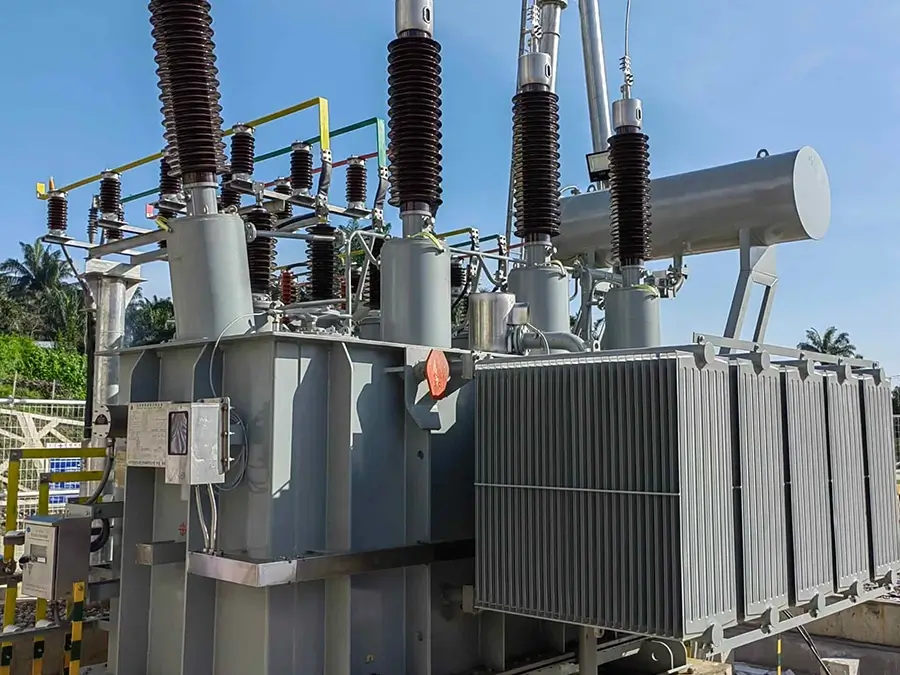
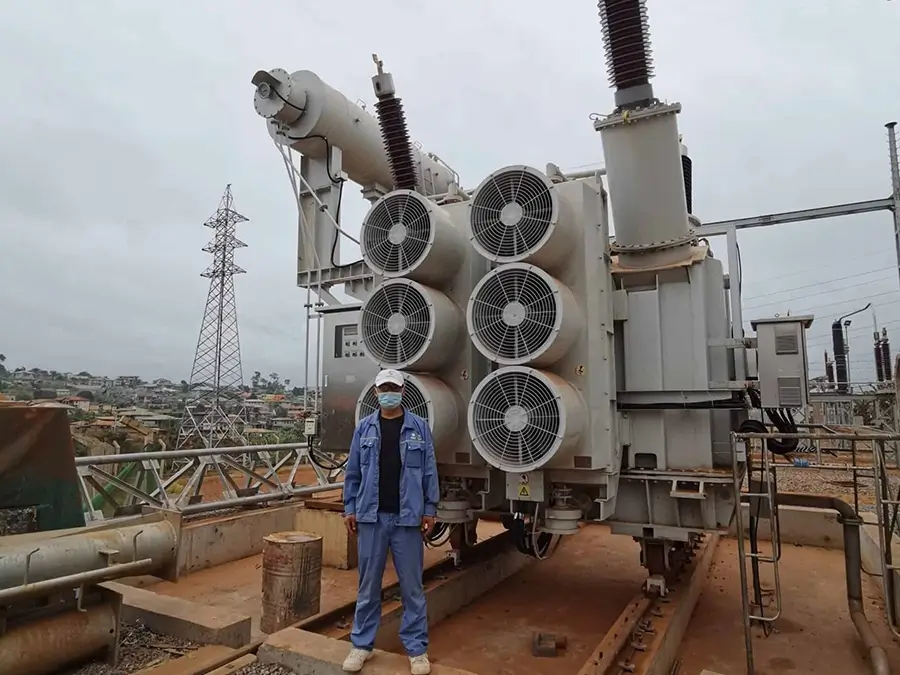
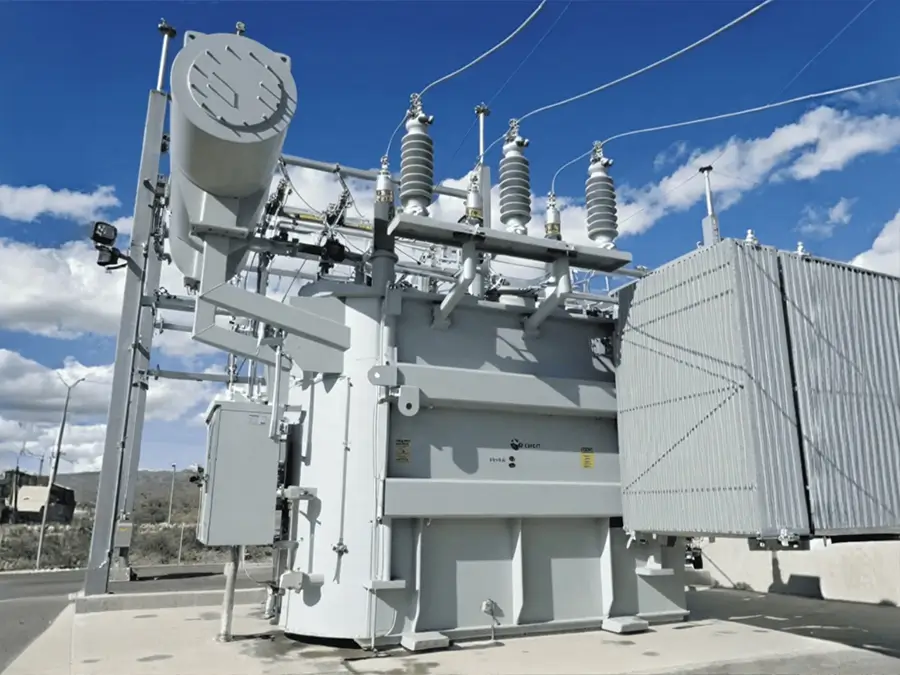
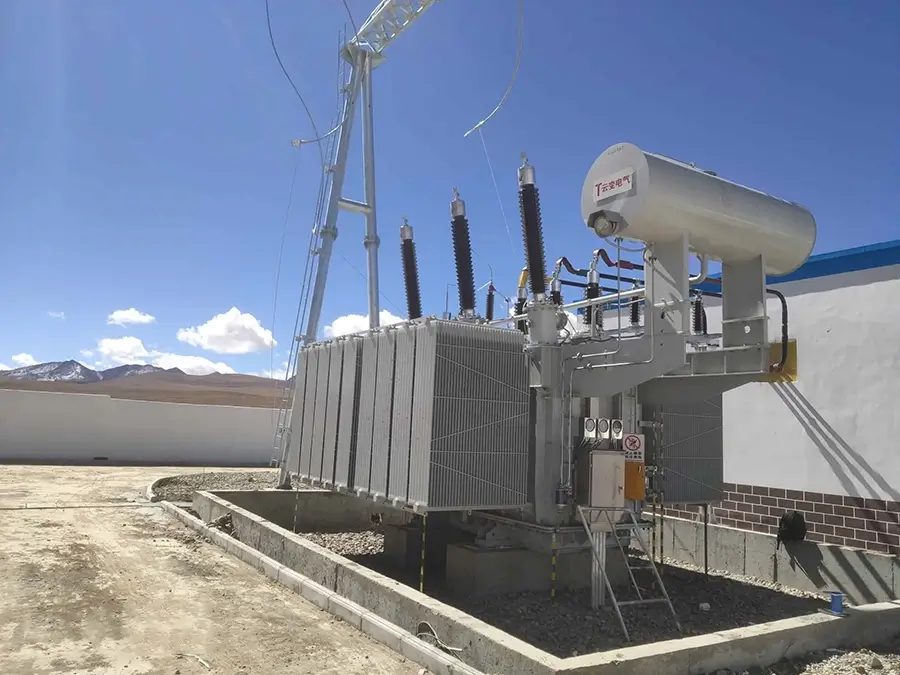
Kete Transformer is a key national-level manufacturer specializing in transformers, recognized as a “Contract-Honoring and Promise-Keeping” enterprise, a high-tech enterprise, and a national-level enterprise technology center. It is recommended in the national directory for rural and urban power grid construction and renovation, as well as a recommended supplier of major electromechanical equipment for hydropower projects. Its products have been awarded the title of “National Quality Inspection Qualified Product – Quality Trustworthy Product” and “Nationally Recognized Product for Mechanical Industry Users.
Our Project
Our products not only dominate the domestic market but are also exported to more than 30 countries and regions, including Russia, Southeast Asia, Africa, and the Americas, serving industries such as power, municipal engineering, metallurgy, and petrochemicals.