





GGJ Low-Voltage Reactive Power Compensation Device
Overview
The GGJ Low-Voltage Reactive Power Compensation Device is a high-efficiency energy-saving compensation device specifically designed for low-voltage power distribution systems. Designed based on the principles of safety, economy, rationality, and reliability, this device integrates multiple functions such as power distribution, control, protection, reactive power compensation, and energy metering, and can be used as a new type of outdoor integrated power distribution box. The product adopts intelligent control technology to perform intelligent tracking compensation of reactive power. It is widely used in industrial and mining enterprises, civil buildings, substations, petrochemical industries, large steel plants, and other occasions. It can effectively improve the power factor, reduce power loss, and enhance power supply quality.
Brief Introduction
Ⅰ.Distribution introduction
1.Rated Voltage: AC 380V/220V
2.Rated Current: 65A~493A
3.Protection Degree: IP4X (Enclosure)/IP2X (Compartment)
4.Applicable Standards: IEC 439-1, GB/T 15576
II. Applicable Conditions and Scope
1.Ambient Temperature: -5°C to +40°C;
2.Relative Humidity: Not exceeding 90% (at 20°C);
3.Altitude: Not exceeding 2000m;
4.The surrounding medium must be free of explosion hazards, gases that could damage or corrode metal, conductive dust, severe vibration, and rain/snow erosion.
III. Component Inspection
1.Key processes (trolley assembly, busbar connection) undergo 100% full inspection.
2.72-hour energized aging test (including 200 mechanical operation cycles) before leaving the factory.
3.Main components (circuit breakers, transformers) use a unique coding traceability system.
Product Features
Ⅰ.Feature Introduction
1.Fast response time (≤20ms), adapts to rapid load changes.
2.Features over-voltage, under-voltage, and loss-of-voltage protection functions.
3.Multiple protection systems including overcurrent, short circuit, and phase loss.
4.Harmonic protection and over-compensation protection ensure system safety.
5.Standardized modular design for easy installation and maintenance.
6.Can be used in conjunction with various types of low-voltage switchgear.
7.Protection degree up to IP30 or IP41, adaptable to different environmental needs.
II. Product Advantages
1.High Efficiency and Energy Saving
2.Reduces power loss in lines and transformers.
3.Increases the load capacity of power supply equipment, reducing equipment investment.
4.Comprehensive self-protection functions extend equipment service life.
5.Flexible capacity configuration, expandable according to needs.
6.Suitable for various complex power usage environments.
7.Diverse installation methods to meet different site requirements.
III. Benefits Provided by the Product
1.Reduces Operating Costs: Decreases equipment loss and extends service life.
2.Improves Power Supply Efficiency: Increases transformer load capacity, postpones capacity expansion investment.
3.Enhances Power Quality: Stabilizes system voltage and reduces voltage fluctuations.
4.Increases Power Supply Reliability: Reduces line losses and minimizes outage risks.
5.Intelligent Management: Monitors grid status in real time for precise control.
6.Reduces Maintenance Workload: Automatic operation with self-diagnosis for faults.
7.Data Support: Provides detailed energy consumption data to inform energy-saving decisions.
8.Reduces energy waste and lowers carbon emissions.
9.Improves energy utilization efficiency, aligning with green development concepts.
Product structure
I. Overall Structure Overview
1. Enclosure Frame
① Uses C-section or 8MF section assembly structure.
② Surface treated with pickling, phosphating, electrostatic spraying, etc.
③ Protection degree meets IP30 or IP41 standards.
④ Can be used in combination with other low-voltage switchgear.
2. Installation Method
① Can choose wall-mounted or free-standing installation.
② Supports various outdoor and indoor installation environments.
③ Modular design facilitates transportation and on-site assembly.
II. Core Structural Component Description
| Component Name | Key Components | Functional Characteristics | Structural Design |
|---|---|---|---|
| Compensation Module Unit | Dry-type self-healing low-voltage capacitors\ Discharge resistors\ Fuse protection device | Group independent compensation\ Automatic power factor adjustment\ Overload protection | Modular group design\ Supports hot-swappable replacement\ Independent cooling ducts |
| Switching Module | Composite switch/Non-contact electronic switch\ Heat dissipation device\ Status indicator | No inrush current switching\ Fast response (≤20ms)\ Zero current breaking | Group independent layout\ Forced air cooling\ Manual/automatic switching mechanism |
| Intelligent Control Unit | Microprocessor core module\ Data acquisition module\ Human-machine interface (HMI) module\ Communication interface module | Real-time data monitoring\ Automatic control algorithm\ Remote communication function | Independently installed unit\ Front panel operation design\ Standard communication interfaces |
| Protection System Structure | Voltage protection unit\ Current protection unit\ Temperature monitoring unit\ Safety interlock device | Multiple protection functions\ Fault self-diagnosis\ Safety interlock protection | Distributed protection design\ Fast response circuit\ Mechanical and electrical dual interlock |
Specification
I. Switchgear Technical Parameters
| Item | Parameter |
|---|---|
| Rated Operational Voltage | AC 380V/220V ±20% |
| Rated Insulation Voltage | AC 660V/690V |
| Rated Frequency | 50Hz/60Hz |
| Compensation Capacity Range | 60 kvar ~ 840 kvar (expandable) |
| Protection Degree (IP) | IP30 / IP41 (optional) |
| Surface Treatment | Phosphating + Electrostatic Spraying |
| Short-Circuit Protection | Instantaneous action |
| Phase Loss Protection | Real-time detection |
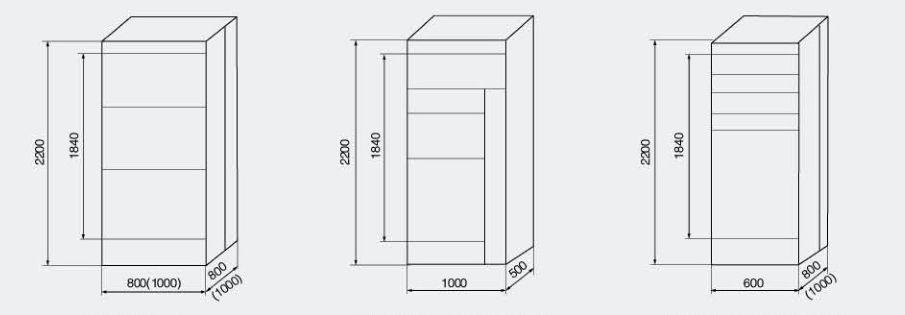
When using GGJ Low-Voltage Reactive Power Compensation Device, you may want to know the following questions & answers.
I. Product Function & Characteristics
1. What is the main function of this compensation device?
The GGJ device is primarily used to improve the power factor of the electrical system, achieve automatic reactive power compensation, thereby reducing line losses, improving voltage quality, increasing the utilization rate of power supply equipment, and ultimately achieving energy saving and consumption reduction.
2. What compensation methods does the product support?
Supports three-phase common compensation, single-phase separate compensation, and a mixed compensation mode of common + separate compensation. It can be flexibly configured according to on-site load characteristics.
3.Can it be used in grids containing harmonics?
Yes. The product has harmonic protection functions. However, when the harmonic content is high (THDu > 8%), it is recommended to add filtering devices or choose special anti-harmonic capacitors.
II. Installation & Configuration
1. What conditions are required for installation?
The following conditions must be met:
① Ambient Temperature: -25°C ~ +45°C
② Relative Humidity: ≤95% (non-condensing)
③ Altitude: ≤2000m
④ The installation site must be free of explosive media, and gases that corrode metal or damage insulation.
2.How to determine the required compensation capacity?
It can be determined by:
① Checking the power factor assessment data on the electricity bill.
② Measuring the reactive power demand of the existing load.
3.Does the device require regular maintenance?
Basic routine maintenance is required, including:
① Monthly inspection of temperature and sound inside the cabinet.
② Regular dust cleaning (depending on environmental conditions).
③ Checking electrical connection tightness every six months.
III. Operation & Usage
1. Why is there no impact during switching?
Because advanced composite switch or non-contact electronic switch technology is adopted, achieving voltage zero-crossing switching-on and current zero-crossing switching-off, completely avoiding inrush current impact.
2. To what level can the power factor generally be improved?
Normally, it can improve the power factor from 0.7-0.8 to above 0.95. The specific effect depends on the load characteristics and compensation capacity configuration.
3.What to do if the device fails?
The device has comprehensive self-protection functions. In case of a fault, it will automatically cut off the compensation and send an alarm signal. Users can view fault information through the display screen or contact our technical support personnel.
IV. Energy Saving & Benefits
1. What is the typical investment payback period?
Usually 12-24 months, depending on electricity consumption, original power factor level, and local electricity tariff policies.
2. What are the benefits besides saving electricity costs?
Also includes:
① Reducing line losses and equipment heating.
② Improving transformer load capacity.
③ Enhancing voltage quality and extending equipment life.
④ Avoiding penalties from the power department and enjoying electricity bill incentives.
Why Choose us ?
Built to last, engineered to perform.
Kete Transformer is a key national-level manufacturer specializing in transformers, recognized as a “Contract-Honoring and Promise-Keeping” enterprise, a high-tech enterprise, and a national-level enterprise technology center. It is recommended in the national directory for rural and urban power grid construction and renovation, as well as a recommended supplier of major electromechanical equipment for hydropower projects. Its products have been awarded the title of “National Quality Inspection Qualified Product – Quality Trustworthy Product” and “Nationally Recognized Product for Mechanical Industry Users.
Our Project
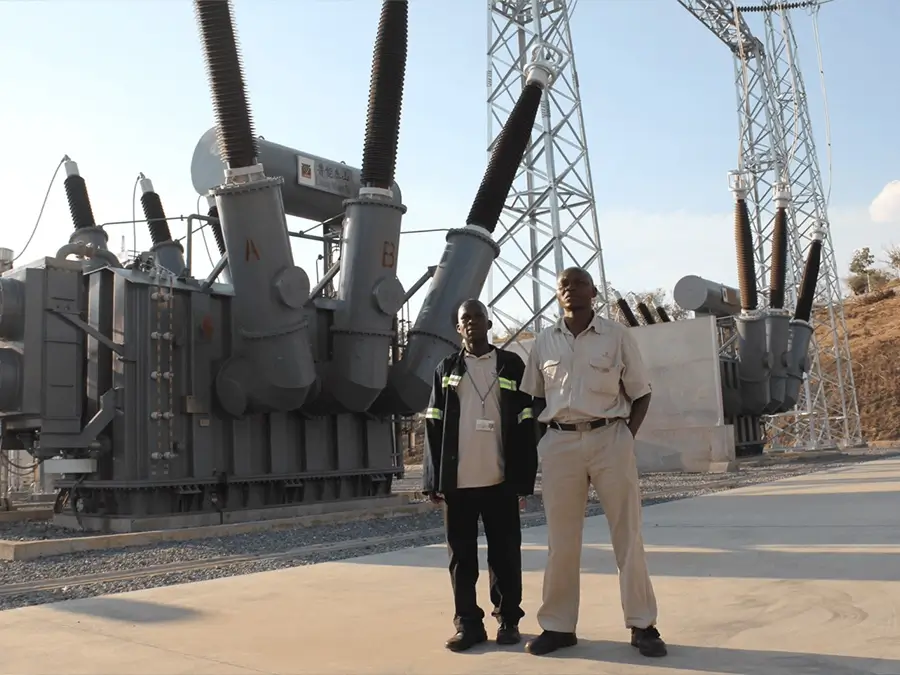
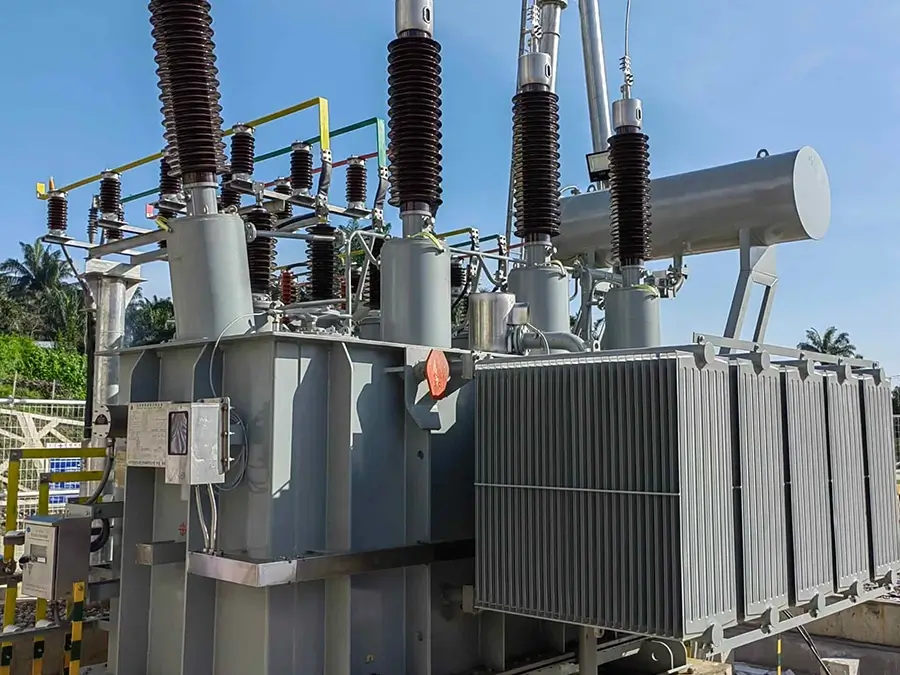
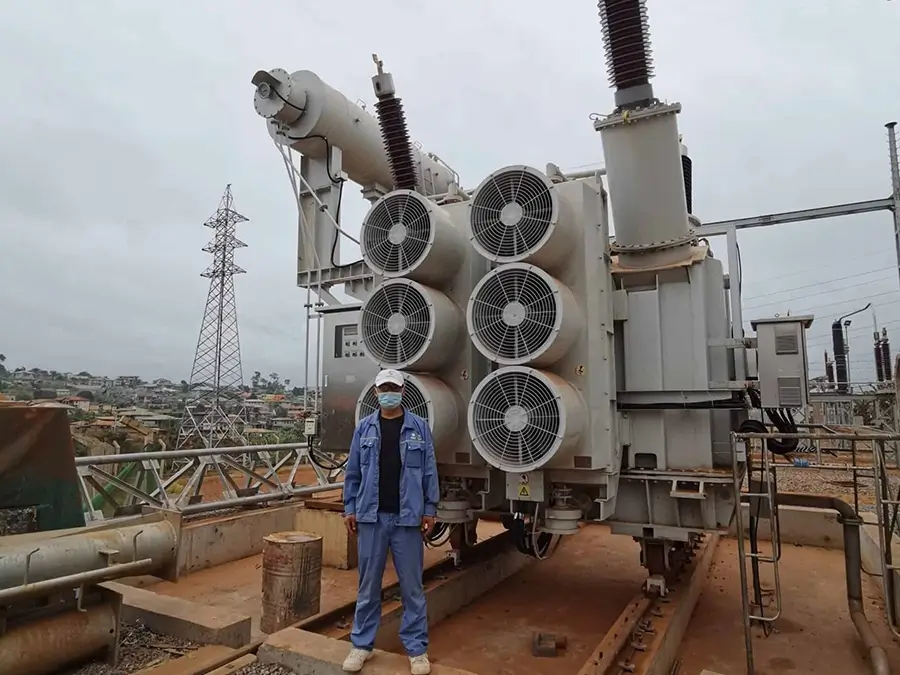
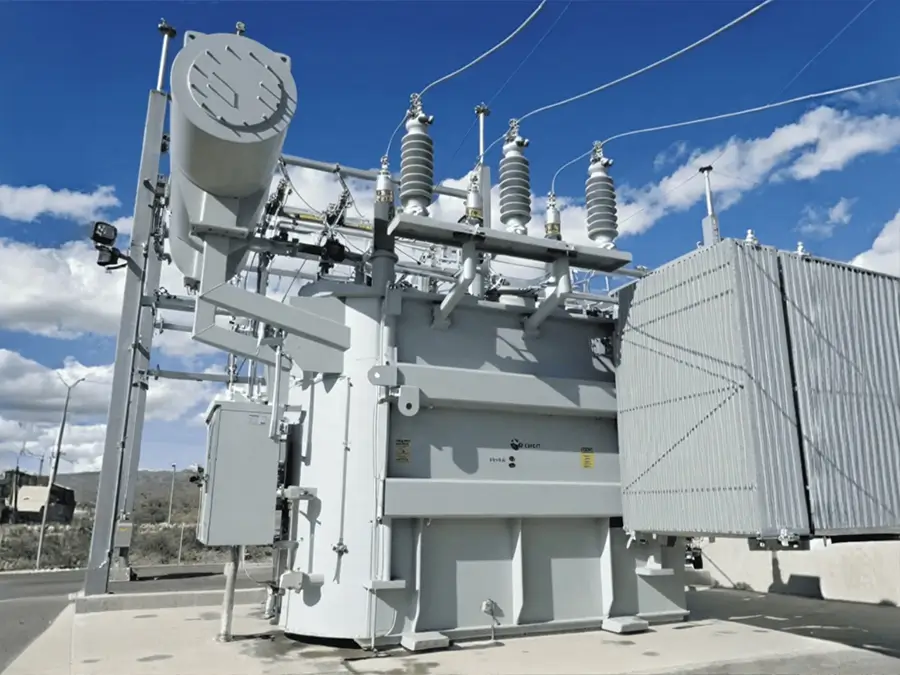
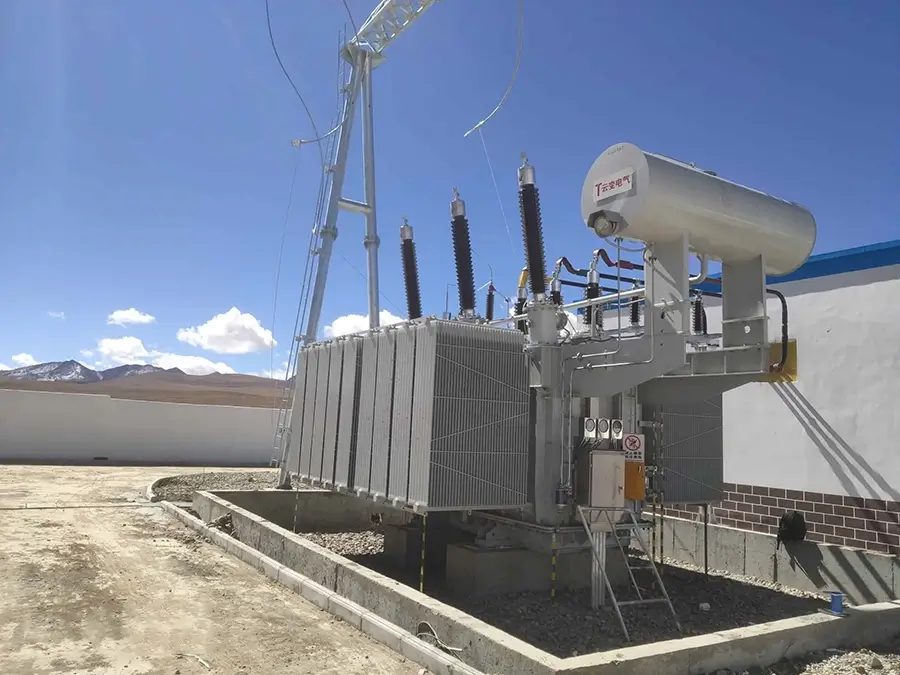
Our products not only dominate the domestic market but are also exported to more than 30 countries and regions, including Russia, Southeast Asia, Africa, and the Americas, serving industries such as power, municipal engineering, metallurgy, and petrochemicals.